
"outer fruit"
1000 article(s) found

What conditions do coffee trees need for planting? what are the requirements for the natural environment?
The origin of the coffee tree is Ethiopia in Africa. In botany, coffee trees belong to the evergreen trees of the subgenus Rubiaceae, and coffee beans, commonly known as coffee beans, are the seeds of the fruit of coffee trees, just because they are shaped like beans, so they are called coffee beans. Climate is the decisive factor for coffee cultivation. Coffee trees are only suitable for growing in the tropics or subtropics, so latitude 25 is south and north.

Why does coffee need to be processed? Introduction to the difference in the process of washing coffee beans and drying honey
Before understanding the treatment, there is a knowledge that must be popularized to non-coffee enthusiasts: what is coffee? 1 Coffee is a shrub or small tree of Rubiaceae. The first flowering time is about three years old, and the white flowers will give off a faint fragrance of jasmine and begin to bear fruit a few months later.

The planting Environment of Coffee trees what kind of environment does coffee trees need to have?
The planting of coffee trees has great requirements on the environment. There are only two areas in China where coffee trees can be planted. The origin of coffee trees is Ethiopia in Africa. In botany, coffee tree belongs to the evergreen tree of the subgenus Rubiaceae, and coffee beans, commonly known as coffee beans, are the seeds of the fruit of coffee trees, just because they are shaped like beans, so they are called coffee.

Description of roasting degree and Flavor of Colombian Coffee introduction to the production area of Grinding scale by Taste treatment
Colombian coffee roasting flavor description, taste treatment, grinding scale production area introduces dry processing: the coffee fruit is dried and dehydrated by natural conditions such as sunlight and ventilation, and then the dried coffee fruit is put into the peeled pulp, peel and silver peel. This method is the most economical and traditional processing method. Coffee beans treated by this method can maintain their fragrance for a long time, but the same as that of coffee beans.

How long does it take for a coffee tree to blossom to mature coffee berries?-Coffee tree planting
How long does it take for coffee trees to blossom to mature coffee berries-Coffee trees were planted in Hainan Province in the early 20th century, when overseas Chinese brought coffee back from Malaysia. Later, tropical and subtropical provinces in the south began to grow plant coffee one after another. Although it has been cultivated for a short time, coffee from Hainan and Yunnan provinces in China has excellent quality and unique charm, which is enjoyed internationally.

Introduction to the Development History of cultivation and planting techniques for Coffee seedlings
Coffee planting technology introduces the origin of coffee trees in Ethiopia in Africa. In botany, coffee trees belong to the evergreen trees of the subgenus Rubiaceae, and coffee beans, commonly known as coffee beans, are the seeds of the fruit of coffee trees, just because they are shaped like beans, so they are called coffee beans. Climate is the decisive factor for coffee cultivation, and coffee trees are only suitable for growing in the tropics or subtropics.
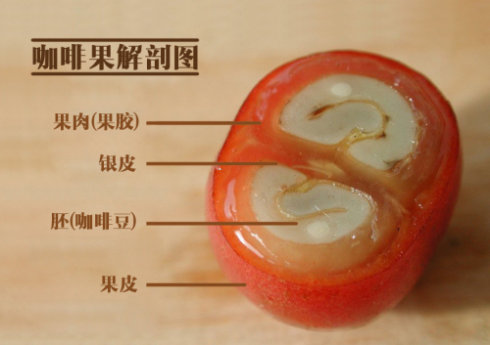
The beautiful red fruit of coffee knowledge the layered diagram of coffee fruit and the detailed introduction of the text.
Coffee shop lovers must have seen coffee beans (Coffee Bean), but coffee fruits may not have been seen. Of course, I haven't seen it either, but I have to see it, but if Yirgacheffe of Chongqing Brista Coffee West Point College can grow a job smoothly, then I won't have to run so far. Coffee tree cultivation is called coffee belt (Coff).

Types of coffee trees where do the most important coffee beans in the world come from?
The first flowering period of the coffee tree is about three years old. the five-petal tube-shaped white flowers are filled with a faint scent of jasmine and the inflorescences are arranged in dense clusters. Flowers wither after two or three days of blooming and begin to bear fruit after a few months. The fruit is a drupe with a diameter of about 1.5 cm. It turns green at first, then turns yellow gradually, turns red when ripe, and is very similar to cherries.

What's so special about coffee? what's so special about coffee?
There are many legends about the discovery of coffee. There is a legend that in the 13th century, there was a prince in Ethiopia who found that his camel loved to eat small oars on a bush, and he was very excited and energetic after eating it. So he also picked some small berry coffee trees (11) to taste, and finally discovered this refreshing coffee drink. Another kind of transmission

Introduction to the flavor and taste of the coffee producing area of Rwanda Coffee Manor the characteristics of Rwandan coffee in Kimmel Manor
The sink technician in the process will clean the coffee immediately because the delay will ferment the sugary outer layer of the coffee beans, ruining the taste of the coffee. The coffee beans are first thrown into a deep trough, and the best quality coffee fruit goes into the bottom and passes through a machine that peels off its skin. The mechanic takes out the floating coffee fruit, processes it in the same way and allows the cooperative to compare it in the domestic market.

Growth and characteristics of Coffee trees
The origin of the coffee tree is Ethiopia in Africa. In botany, coffee trees belong to the evergreen trees of the subgenus Rubiaceae, and coffee beans, commonly known as coffee beans, are actually the seeds of the fruit of coffee trees. They are called coffee beans only because they are shaped like beans.

Cultivation techniques of coffee trees how would you like your latte coffee milk foam to be beaten?
5 cultivation technology editor there are many legends about people discovering coffee. There is a legend that in the 13th century, there was a prince in Ethiopia who found that his camel loved to eat small oars on a bush, and after eating it looked very excited and energetic. So he also picked some small berries to taste, and finally discovered this refreshing coffee drink. Another legend is that
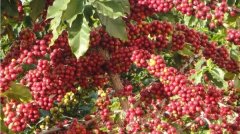
The generating environment of coffee trees
In botany, coffee trees belong to the evergreen trees of the subgenus Rubiaceae, and coffee beans, commonly known as coffee beans, are actually the seeds of the fruit of coffee trees, just because they are shaped like beans.

The planting conditions of coffee trees the types of coffee trees
The Robastian coffee tree, which originated in the Congo in Africa, accounts for about 20% of the world's production. 30%. Robasta coffee tree is suitable for planting in the lowlands below 500 meters above sea level, has strong adaptability to the environment, can resist bad climate, resist diseases and insect pests, and does not need much manual care during soil preparation, weeding and pruning, and can be allowed to grow in the wild. It is easy to cultivate.

How much coffee can be produced by each coffee tree? how long does it take to plant coffee?
The first flowering period of the coffee tree is about three years. The five-petal tube-shaped white flowers are filled with a faint scent of jasmine, and the inflorescences are arranged in dense clusters. It will wither after two or three days of flowering and begin to bear fruit after a few months. The fruit is a drupe with a diameter of about 1.5 cm, which is green at first, then turns yellow gradually, and turns red when ripe, so it is very similar to cherries.
Planting conditions of Coffee trees
The origin of the coffee tree is Ethiopia in Africa. In botany, coffee trees belong to the evergreen trees of the subgenus Rubiaceae, and coffee beans, commonly known as coffee beans, are actually the seeds of the fruit of coffee trees. They are called coffee beans only because they are shaped like beans. Climate is the decisive factor for coffee cultivation. Coffee trees are only suitable for growing in the tropics or subtropics, so latitude 25 degrees south and north.

Planting conditions and environmental methods of coffee trees require the growth process of fruit coffee cherries
Coffee is a perennial evergreen shrub or small tree of Rubiaceae. It is a horticultural perennial cash crop with the characteristics of fast growth, high yield, high value and wide market. Wild coffee trees can grow to a height of 5 to 10 meters, but coffee trees planted on the manor are often cut to a height of less than 2 meters in order to increase the amount of fruit and facilitate harvesting. The opposite leaves of coffee trees are long oval.
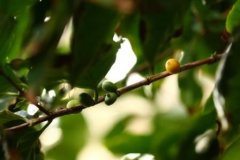
What conditions do you need to grow coffee trees?
Coffee is a perennial evergreen shrub or small tree of Rubiaceae. It is a horticultural perennial cash crop with the characteristics of fast growth, high yield, high value and wide market. Wild coffee trees can grow to a height of 5 to 10 meters, but coffee trees planted on the manor are often cut to a height of less than 2 meters in order to increase the amount of fruit and facilitate harvesting. The opposite leaves of coffee trees are long oval.

Introduction to the flavor of Rwandan coffee
The maximum harvest season for Rwandan coffee is during the main rainy season, from March to the end of May. During the harvest season, farmers spend most of their day picking coffee fruits by hand. In the afternoon, farmers carry coffee fruits in traditional baskets made of banana leaves to a cleaning station a few hours away. Craftsmen use their hands to improve their quality.

Introduction of Coffee planting methods introduction of Coffee planting conditions
The first flowering period of the coffee tree is about three years old. the white five-petal tube-shaped flowers are filled with a faint scent of jasmine and the inflorescences are arranged in dense clusters. Flowers wither after two or three days of blooming and begin to bear fruit after a few months. The fruit is a drupe with a diameter of about 1.5 cm, which is green at first, then turns yellow gradually, and turns red after ripening, which is very similar to cherries.